1st Indigenous Wisdom International Conference on Indigenous Knowledge Systems
Jointly Organized By
&


Humanities
in India Programme, The University of East Anglia, Norwich, United Kingdom
Department of MIL & Literary Studies, Gauahati University, Assam, India

Centre for Naga Tribal Language Studies, Nagaland University, Nagaland, India
DISTINGUISHED
SPEAKERS
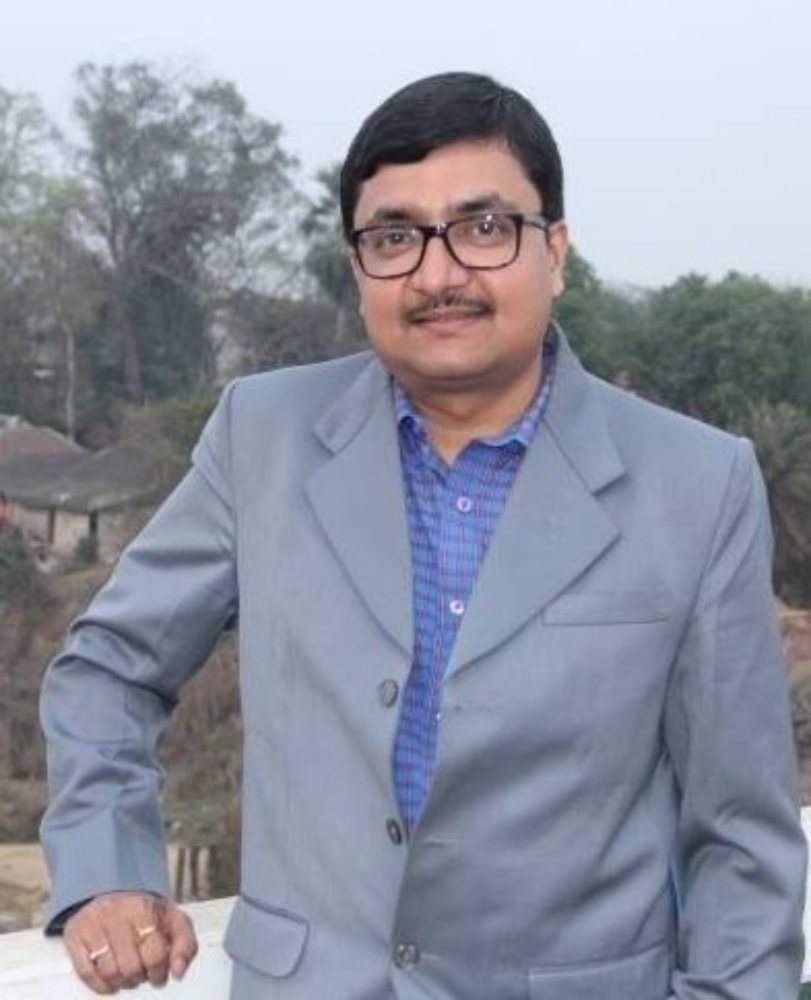
Editor-in-Chief, Indigenous Wisdom
Conference Chair

Associate Professor, School of History and Art History, The University of East Anglia, UK
Conference Co-Host
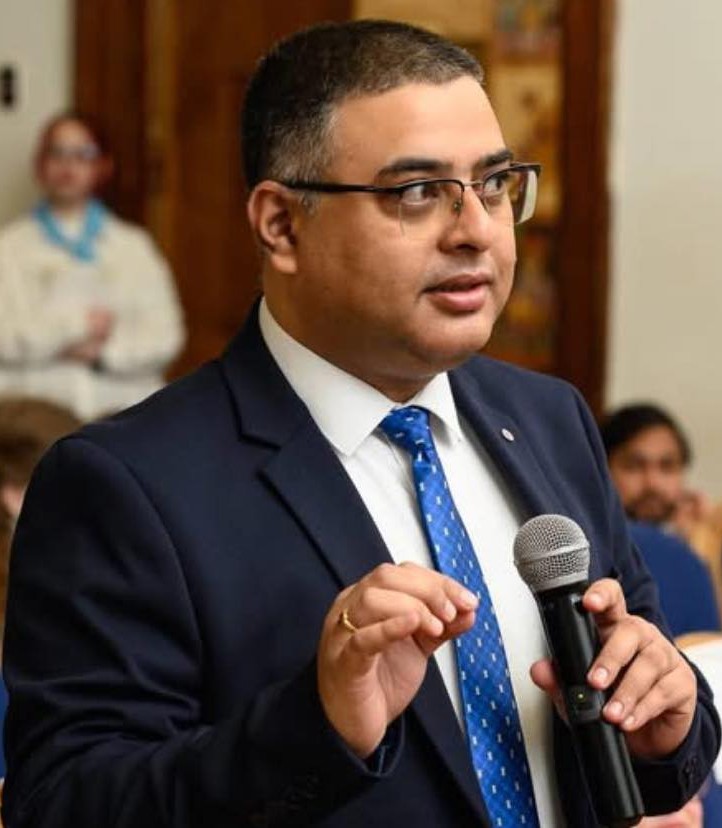
Assistant Professor, Dept of MIL & Literary Studies, Gauhati University, Assam, India.
Conference Co-Host
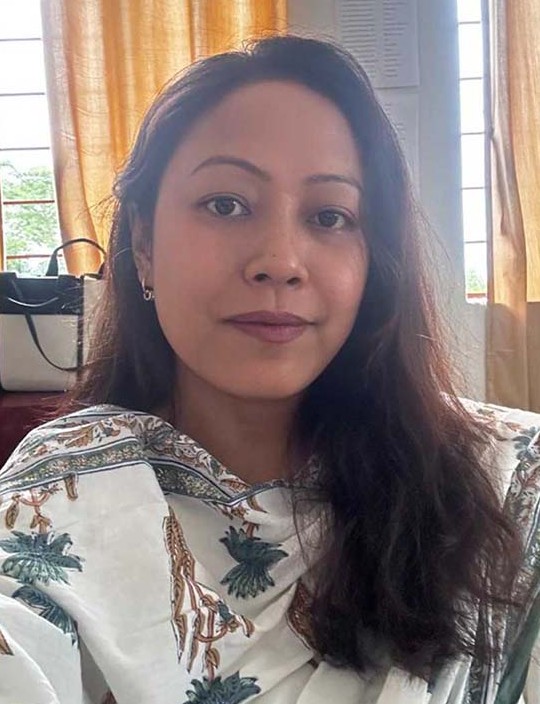
Assistant Professor, Centre for Naga Tribal Language Studies, Nagaland University, India
Conference Co-Host
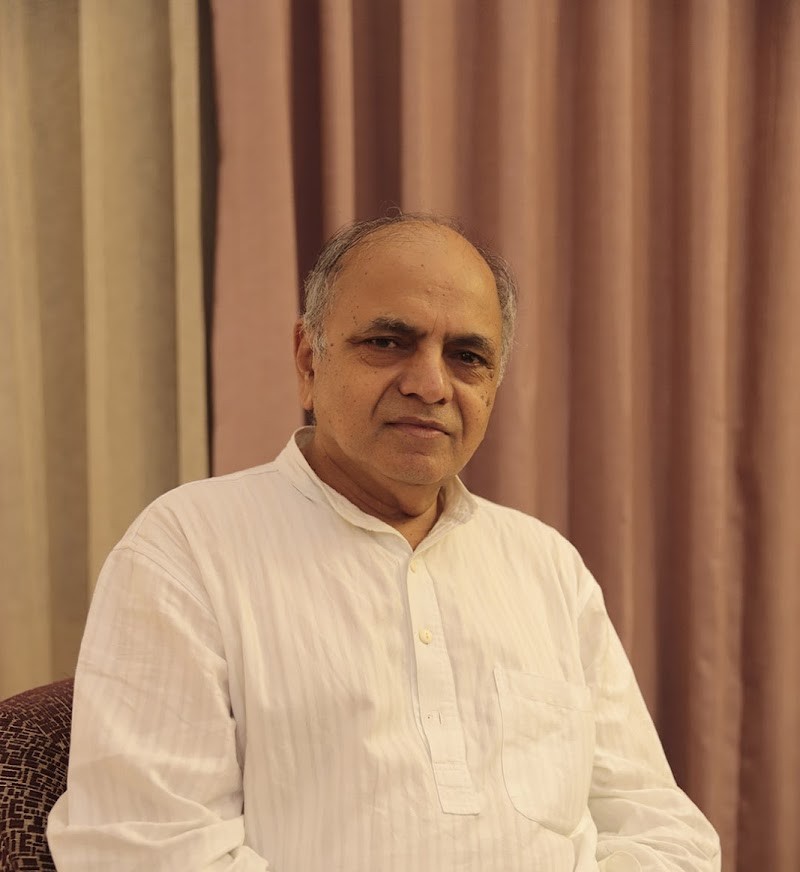
Indian Literary Critic, Thinker, Editor, Educator, Cultural Activist and Former Professor
Keynote Speaker
Concept Note
With the advent of modernisation and urbanisation, the knowledge systems of the world have been power-centric since time immemorial. In South Asia, these kinds of devastating processes have created the conditions for new forms of colonialism to exist in the minds and societies of Adivasi and tribal people. Long before the re-development of the so called ‘modern’, ‘rational’ ways of gathering information and discoveries, the indigenous people of the world had shown their super-intellectuality by inventing the first visual language of the human world, proving that fire was not stolen by Prometheus for the betterment of humanity, but was invented by cave-dwellers by rubbing rocks or wood. In this world of ecophobia, the indigenous people show the mantras of bio-philia by reemphasizing eco-friendly human activities. They show the processes of developing biodiversity-friendly architecture that prioritize materials that are readily available in the environment. They utilize earth and mud for walls and floors, stone and wood for structure and roofing, bamboo, valued for its strength, flexibility, and fast renewability, leaves and thatch for roofing, and lime, used as a natural and non-toxic plaster. Not only for creation, but also for survival, Indigenous knowledge of medicine plays a pivotal role. According to a report published by the World Health Organization, more than 80% of the global population across more than 170 of the World Health Organization’s 194 Member States currently rely on some form of traditional medicine, including practices like herbal remedies, yoga, Ayurveda, acupuncture, acupressure, and indigenous healing systems. For many communities, traditional medicine serves as the primary source of healthcare, with its practitioners playing a vital role in managing chronic conditions and promoting holistic well-being. Thus, Indigenous Knowledge Systems (IKS) represent rich, place-based epistemologies cultivated over generations through lived experience, oral traditions, ecological stewardship, and spiritual practice. As global crises challenge dominant paradigms, IKS offers vital insights into sustainability, resilience, and relational ethics. In the spirit of dialogue and mutual understanding, we welcome contributions from indigenous and non-indigenous scholars, whether in India or beyond.
Call for Abstract
To explore the transformative potential of Indigenous knowledge across disciplines, Indigenous Wisdom: A Multidisciplinary Journal of Indigenous Studies, a peer- reviewed academic journal dedicated to advancing knowledge and understanding of Indigenous cultures, histories, languages, and contemporary issues, invites scholars, practitioners, artists, and community leaders to contribute their original works for the special issue on Indigenous Knowledge Systems. With the aims for reinvigorating the Indigenous Knowledge Systems, we welcome original research, case studies, creative works, and theoretical reflections on themes including (but not limited to):
- Foundation of Indigenous Knowledge System
- Indigenous Languages
- Indigenous Knowledge on Ecology
- Indigenous Knowledge on Healing Health
- Indigenous Arts and Culture
- Indigenous Ways of Knowledge Transmission
- Indigenous Policy for Rights and Governance
- Postcolonialism and Indigenous Knowledge Systems
- Indigenous Technology
- Indigenous Knowledge System and Sustainable Development Goals (SDGs)
- Future of Indigenous Knowledge Systems
Important Dates:
Conference Dates: 17-18 April 2026
Call for Abstract Opens: 12th February 2026
Abstract Submission Closes: 25th March 2026
Notification of Acceptance: 30th March 2026
Registration Period: 1st to 5th April 2026
Full Paper Submission Deadline: 30th May 2026
Publication of Proceedings: Selected Papers will be published in Indigenous Wisdom: A Multidisciplinary Journal of Indigenous Studies.
Author’s Guidelines
- Submit the abstract of your paper in about 250-300 words (Times New Roman, 12) with 2-3 Keywords.
- Use a separate attachment for this and do not include any personal data for double-blind peer review.
- Include your personal details (name, affiliation, address, phone number, email ID) in the body of the email.
- Finally, after the conference, you will have to submit full-length papers. Use the same email and do not use separate emails.
- Articles should be written in an MS Word file following the latest edition of APA style
- Word Limits for the full paper: 6000 to 8000words
- Authors’ bio-note of around 50-60 words should be added at the end of the draft/full paper.
Submission Process
Send your abstracts and/or articles to: Thakurdas Jana, Associate Editor, Indigenous Wisdom. Email: editor@indigenouswisdom.in
Registration Fee (For Presentation and Publication)
Single Author from India: 1000 INRAuthors 1 & 2 from India: 1500 INR (*For an extra author, there will be an extra charge of Rs. 500)
Single Author from Other Countries: 30 USD
Authors 1 & 2 from other countries: 45 USD (*For an extra author, there will be an extra charge of 15 USD)
Conference participants: FREE APC for Publication: Not Applicable
**An author may choose to present a paper only, but not to publish. In that case, the same charge will apply.
Contact Details
Thakurdas Jana, Associate Editor, Indigenous Wisdom.
Email: editor@indigenouswisdom.in, WhatsApp No: +91- 7047598085
Conference Organizing Committee
Dr. Indranil Acharya, Editor-in-Chief, Indigenous Wisdom (Conference Chair)
Dr. Kalyani Hazri, Assistant Professor, Department of English, Mahatma Gandhi Central University (Conference Convenor)
Coming More . . .